Markovian Parallax Denigrate
The 1996 Usenet spam anomaly that birthed an internet legend.
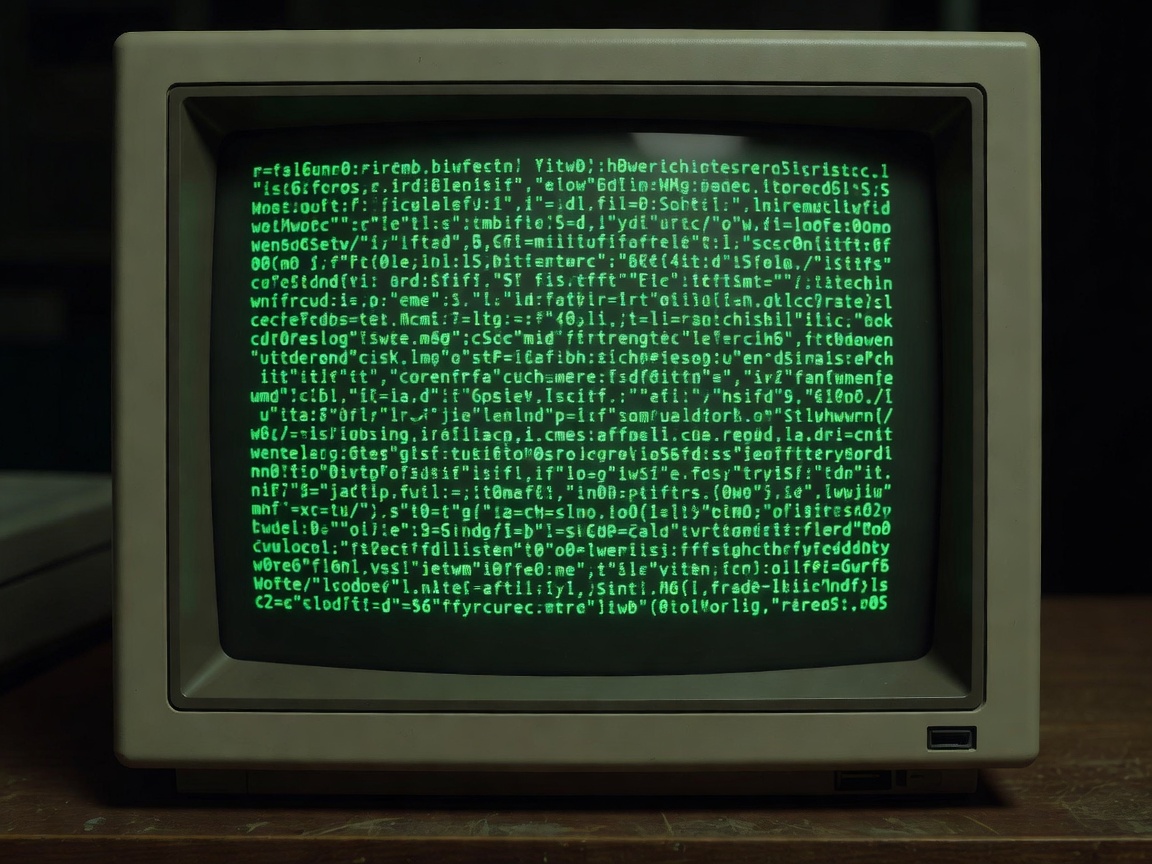
The Usenet Anomaly
Long before modern social media networks, the primary hub for global online discussion was Usenet—a decentralized, text-based bulletin board system divided into specific subject hierarchies known as newsgroups. In August 1996, the system experienced one of its most bizarre anomalies.
Across hundreds of different newsgroups, users reported thousands of posts containing completely nonsensical text. These posts all shared a distinctive subject line structure, the most famous of which gave the phenomenon its name: "Markovian Parallax Denigrate".
Cryptographic Patterns
The body text of the messages was seemingly random, consisting of dictionary words strung together without grammatical syntax or coherent meaning. However, computer scientists analyzing the posts quickly noted a structural pattern: the text appeared to be generated by a Markov chain.
A Markov chain algorithm takes a large sample of text and generates new text based on the statistical probability of one word following another. This results in output that looks like real language at a glance but lacks actual meaning. In 1996, employing such scripts for wide-scale automated posting was highly unusual, leading to widespread speculation about the purpose of the messages.
Theories of Origin
Because the posts targeted a vast array of unconnected newsgroups—including highly controversial groups like alt.religion.scientology—theories emerged to explain the spam:
- Covert Communication: One prominent theory suggested the messages were a modern numbers station, containing encrypted instructions for intelligence operatives hidden within the Markovian noise.
- Denial of Service: Another theory proposed the posts were an early form of a denial-of-service attack, designed to flood specific newsgroups with noise to drown out legitimate conversation.
- Algorithm Testing: Software developers hypothesized that the event was merely a programmer testing a bot script gone rogue.
The Modern Perspective
Years later, the mystery resurfaced on modern platforms, bringing new scrutiny to the archaic posts. Some investigators attempted to trace the original IP addresses tied to the messages, though the decentralized and often poorly archived nature of Usenet makes definitive tracing nearly impossible decades later.
While internet folklore occasionally links the posts to specific individuals involved in international politics or espionage, these claims lack verifiable evidence. Most technical analysts agree that "Markovian Parallax Denigrate" was likely an early, accidental test of automated spam software—a precursor to the botnets that would later become a ubiquitous part of the digital landscape.